

Introduction: Understanding Cataracts and Why Surgery Matters
Cataracts are one of the most common age-related eye conditions, and for many people, they develop so gradually that the changes in vision are easy to overlook at first. You might notice colours looking dull, increased glare when driving at night, or a persistent blur that new glasses no longer fix. These changes happen because the eye’s natural lens becomes cloudy, preventing light from passing through clearly.
Cataract surgery is currently the only effective way to restore clear vision once cataracts begin to interfere with daily life. While the idea of eye surgery can feel daunting, modern cataract surgery is one of the safest and most successful procedures performed worldwide. Knowing what to expect before, during, and after surgery can ease anxiety and help you feel confident and prepared.
This guide walks you through the entire process in clear, simple language, so you can approach cataract surgery with understanding and peace of mind.
What Is Cataract Surgery?
Cataract surgery is a procedure that removes the eye’s cloudy natural lens and replaces it with a clear artificial lens, known as an intraocular lens (IOL). This artificial lens stays in place permanently and restores the eye’s ability to focus light properly.
The surgery is usually performed on one eye at a time and is typically done as a day procedure, meaning you can go home the same day. Advances in technology have made the operation quicker, more precise, and more comfortable than ever before.
Cataract surgery is not considered urgent in most cases, but it becomes necessary when vision problems start affecting everyday activities such as reading, driving, recognising faces, or working safely.
Before Cataract Surgery
Preparing for cataract surgery involves several important steps designed to ensure the best possible outcome and a smooth recovery.
Pre-Surgery Eye Tests
Before surgery, your eye specialist will perform a series of detailed eye tests. These tests do more than confirm the presence of cataracts. They help measure the size and shape of your eye so the correct artificial lens can be selected.
Common pre-surgery tests include:
- Vision testing to assess clarity and sharpness
- Eye measurements to determine the power of the replacement lens
- Retinal and corneal health checks to rule out other eye conditions
You may also discuss different types of intraocular lenses, depending on your vision needs and lifestyle. Some lenses focus on distance vision, while others may reduce the need for reading glasses.
Preparation Steps
In the days leading up to surgery, you’ll receive clear instructions from your clinic. These usually include:
- Using prescribed eye drops to reduce infection risk
- Arranging transport home on the day of surgery
- Reviewing medications with your doctor
Your care team will guide you through each step so nothing feels overwhelming.
What Patients Should and Shouldn’t Do
Before surgery, it’s important to:
- Follow instructions for eye drops exactly as prescribed
- Inform your doctor about any health conditions or medications
- Avoid eye makeup, creams, or perfumes on the day of surgery
You’ll usually be asked not to eat or drink for several hours beforehand. This is a standard precaution to keep you comfortable and safe during the procedure.
During Cataract Surgery
Understanding what happens during cataract surgery often helps reduce fear. The procedure is carefully planned and designed to be as comfortable as possible.
How the Procedure Is Performed
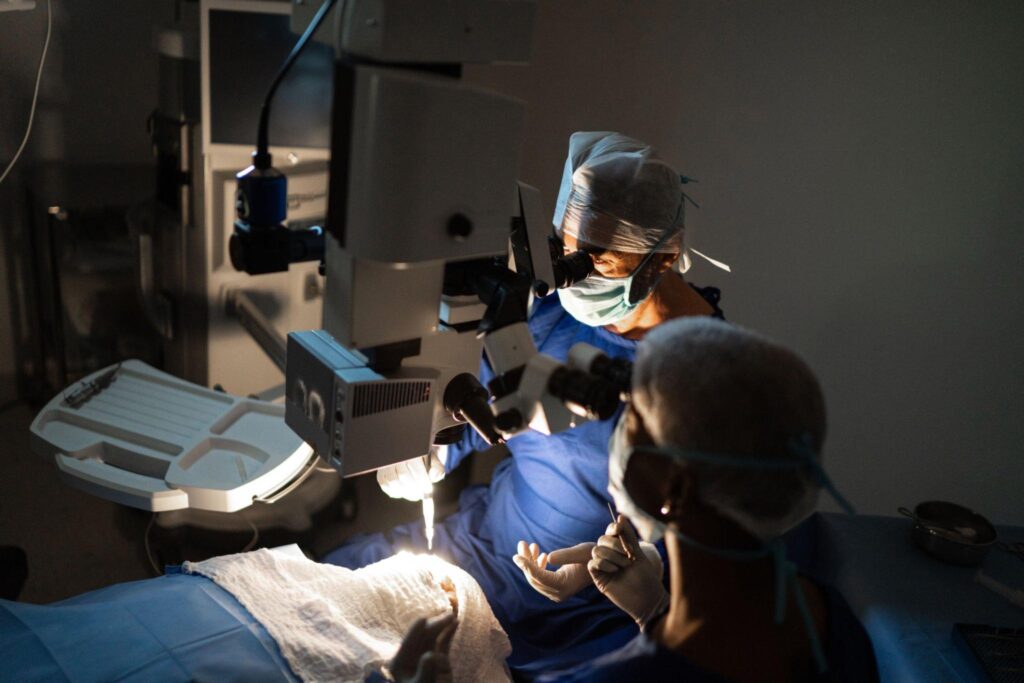
Cataract surgery typically takes 15 to 30 minutes. The surgeon makes a tiny opening in the eye to access the cloudy lens. Using advanced instruments, the cataract is gently broken up and removed. The artificial lens is then inserted in its place.
The incision is so small that it usually heals on its own without stitches. Throughout the procedure, your surgeon works with great precision to protect the surrounding structures of the eye.
Pain Management and Duration
Most people are surprised by how little discomfort they feel. The eye is numbed using local anaesthetic eye drops, so you remain awake but comfortable. You may feel mild pressure, but pain is uncommon.
Sedation is sometimes offered to help you relax, especially if you feel nervous. The entire experience is typically quicker and easier than expected.
What Patients Experience During Surgery
During surgery, you’ll lie back and focus on a light above you. Your vision may appear bright or blurry, and you might see gentle movement or colours. These sensations are normal and temporary.
The surgical team talks you through the process and ensures you feel calm and supported at every stage.
After Cataract Surgery
Recovery from cataract surgery is usually straightforward, but proper care is essential for the best results.
Recovery Timeline
Most people notice some improvement in vision within a few days, although full healing can take several weeks. It’s common for vision to fluctuate slightly as the eye adjusts.
Typical recovery milestones include:
- First 24–48 hours: mild discomfort, light sensitivity, or scratchy feeling
- First week: vision gradually sharpens
- Four to six weeks: eye fully healed in most cases
Follow-up appointments allow your doctor to monitor healing and address any concerns early.
Vision Changes
Vision after surgery is often clearer and brighter than before. Colours may appear more vivid, and many people find daily tasks easier.
It’s normal for vision to be slightly blurry at first. Glasses may still be needed for certain activities, depending on the type of lens implanted.
Post-Operative Care and Restrictions
To protect your eye during recovery, you’ll be advised to:
- Use prescribed eye drops regularly
- Avoid rubbing or pressing on the eye
- Wear a protective eye shield while sleeping
- Avoid heavy lifting and strenuous activity for a short period
Simple precautions help prevent infection and ensure smooth healing.
Benefits and Success Rates
Cataract surgery has one of the highest success rates of any medical procedure. The majority of patients experience significant improvement in vision and quality of life.
Benefits often include:
- Sharper, clearer vision
- Improved night driving
- Reduced glare and halos
- Better colour perception
For many, cataract surgery restores independence and confidence in everyday activities.
Possible Risks and Side Effects
Although cataract surgery is very safe, all surgery carries some risk. Most side effects are mild and temporary.
Possible issues may include:
- Temporary irritation or dryness
- Light sensitivity
- Mild swelling or redness
Serious complications are rare and are usually treatable when identified early. Following aftercare instructions and attending follow-up visits greatly reduces risk.
When to Contact Your Eye Doctor
It’s important to contact your eye doctor if you experience:
- Increasing pain that doesn’t improve
- Sudden vision loss
- Persistent redness or discharge
- Flashes of light or new floaters
Prompt attention ensures any problems are managed quickly and effectively.
Conclusion: Moving Forward with Confidence
Cataract surgery is a well-established, highly effective way to restore clear vision and improve quality of life. While it’s natural to feel nervous, understanding each step of the process can make the experience far less intimidating.
With careful preparation, skilled surgical care, and proper recovery, most people find cataract surgery to be a positive and life-changing decision. If cataracts are affecting your daily life, speaking with an eye care professional is an important step toward clearer, more comfortable vision.
FAQs
1. How long does it take to see clearly after cataract surgery?
Most people notice an improvement in vision within a few days after cataract surgery, although it can take several weeks for vision to fully stabilise. Mild blurriness is common early on as the eye heals and adjusts to the new lens. Your eye doctor will monitor progress during follow-up visits.
2. Will I need glasses after cataract surgery?
Some people still need glasses after cataract surgery, depending on the type of artificial lens used and their individual vision needs. Many patients find they rely less on glasses for distance vision, but reading glasses are often still required. Your eye specialist will discuss realistic expectations beforehand.
3. Is cataract surgery suitable for both eyes at the same time?
Cataract surgery is usually performed on one eye at a time. This allows the first eye to heal properly before operating on the second. If both eyes need surgery, the second procedure is often scheduled a few weeks later, once vision in the first eye has stabilised.
4. Can cataracts come back after surgery?
Cataracts themselves cannot return because the cloudy natural lens is removed. However, some people develop a condition called posterior capsule opacification, which can cause vision to become cloudy again. This is easily treated with a quick, painless laser procedure that restores clear vision.
5. How should I protect my eye during recovery?
Protecting your eye after surgery is essential for proper healing. Use prescribed eye drops as directed, avoid rubbing your eye, and wear a protective shield while sleeping if advised. Limiting strenuous activities and following your doctor’s instructions will help reduce the risk of complications.